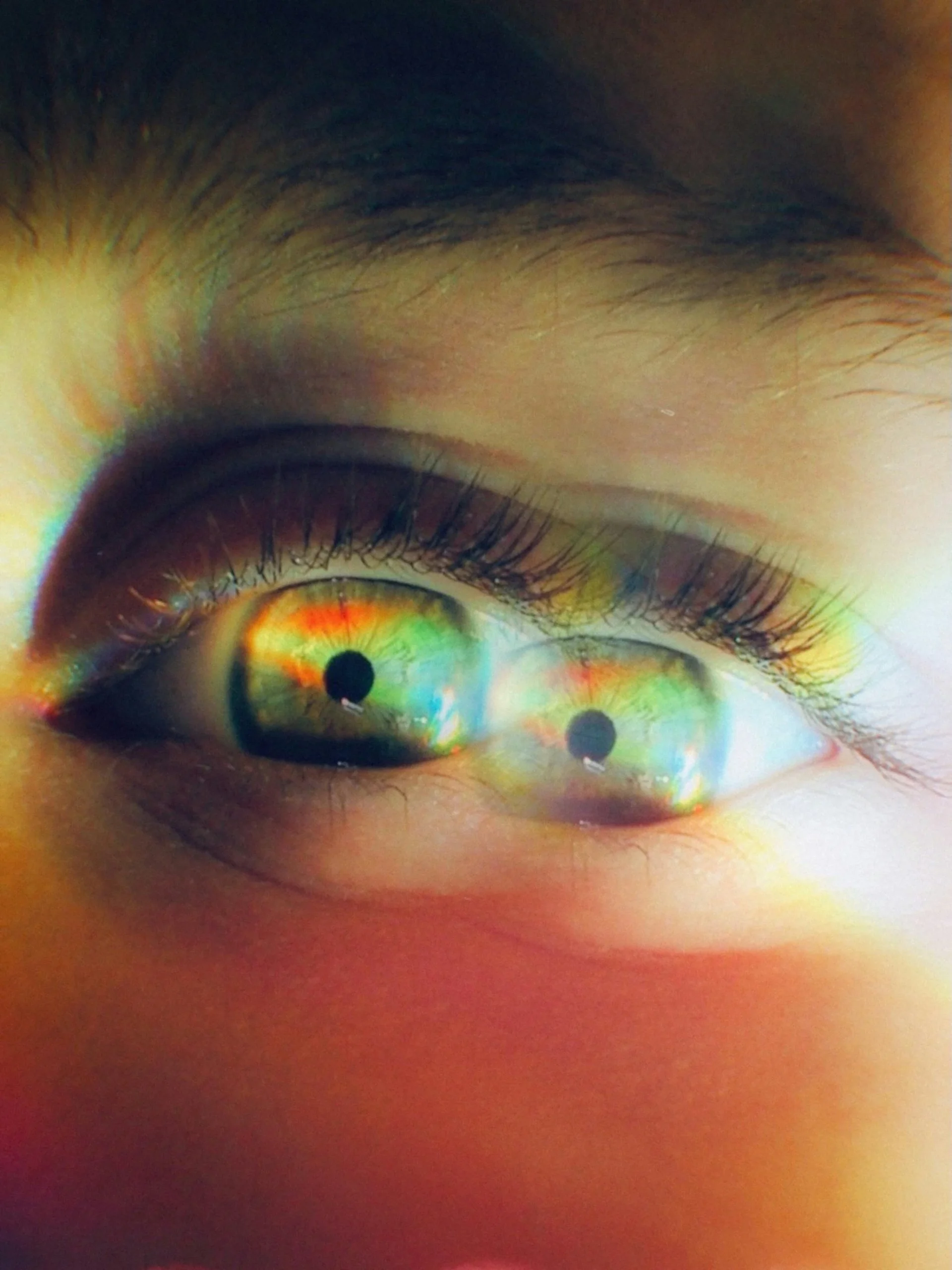
Double vision, also known as diplopia, can be a frightening experience. Instead of seeing one object, you see two. Did you know that double vision can be divided into monocular (one eye) and binocular (two eyes)?
Understanding the type of double vision can help to better understand the potential cause.
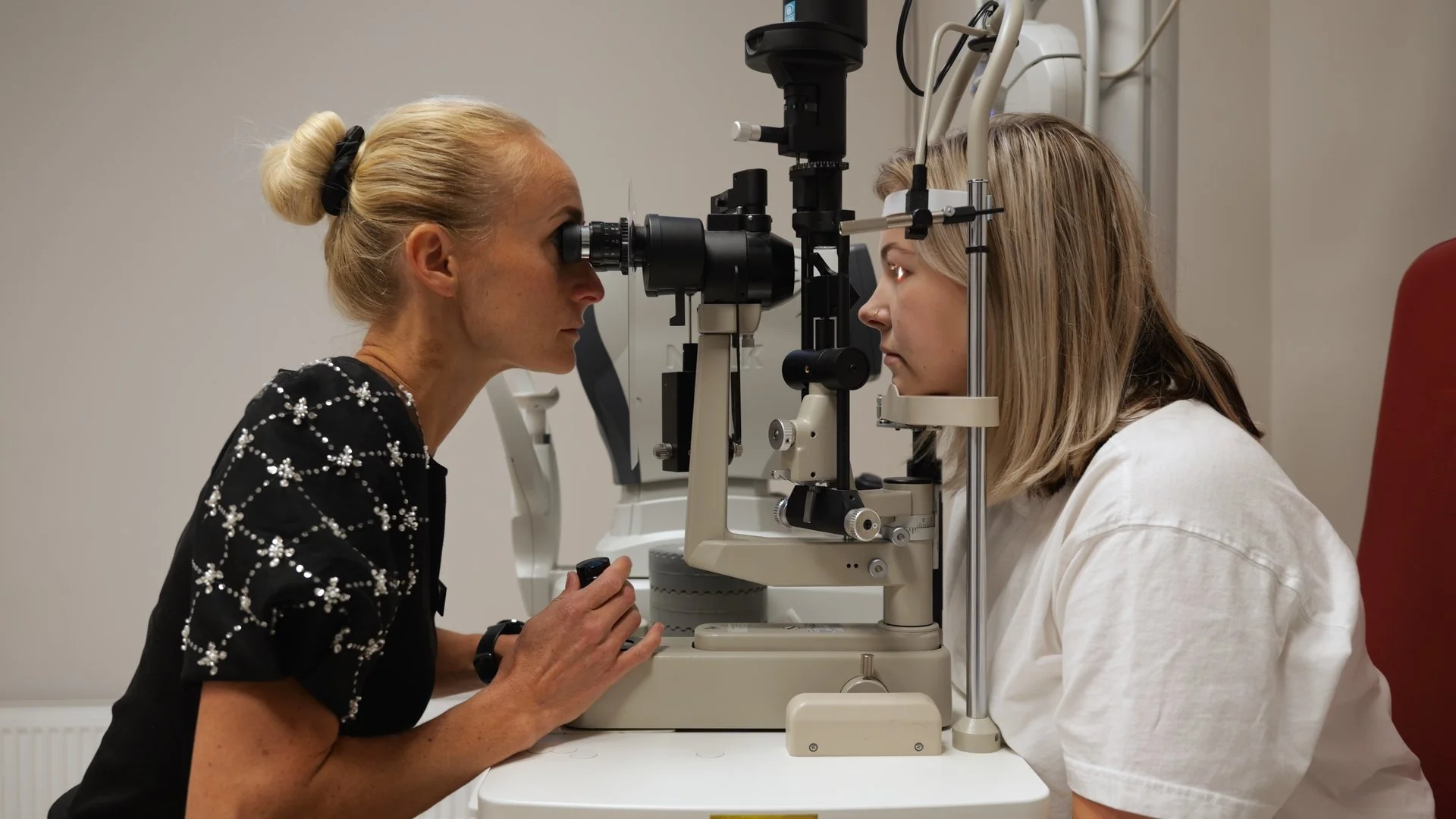
Monocular double vision persists even when one eye is closed. This means that the problem is likely to be specific to that eye and suggests that the problem lies in the eye’s optical system. Common causes include corneal irregularities (keratoconus, corneal dystrophy), clouding of the lens (cataract) or even dry eye.
Methods used for examinations include:
- Corneal topography and tomography, which measure the shape, thickness and irregularities of the cornea.
- Aberrometry, which analyses the distortion of light in the eye and the transparency of optical pathways.
- Objective observation of optical media
Binocular double vision disappears when one eye is closed. In this case, the problem is with cooperation between the eyes. This can be due to fatigue or more serious neurological conditions.
If you notice double vision, do the following test:
- Cover one eye. If double vision persists, the eye itself is probably to blame.
- If it disappears, it is due to the cooperation between the eyes.
In either case, you should consult a doctor, especially if the problem is sudden or persistent. The ophthalmologists at Silmalaser are ready to help you with your concerns.