Eyes are our most important way of experiencing the world, but we often don’t think about eye health until something is already wrong. Here are some lesser-known facts and tips to keep your eyes healthy.

Wearing glasses won’t make your eyes any weaker
Contrary to popular belief, wearing glasses does not make your eyes weaker. In fact, glasses help correct vision without affecting eye health. Straining your eyes without glasses, however, can make things worse.
Sunglasses are not just for summer
UV rays damage the eyes both in summer and winter. While wearing sunglasses is common in summer, they are just as important in winter, especially in snowy conditions where the sun’s rays are reflected. Quality sunglasses that block 100% of UV radiation are an essential tool for protecting your eyes all year round.
Stress can affect vision
Chronic stress can cause eye fatigue and even temporary blurred vision. Stressful situations can affect the function of the eye muscles, causing temporary disturbances. Regular relaxation and eye exercises can help reduce stress-related eye problems.
Excessive screen time tires the eyes
Many people spend hours every day in front of a computer, phone or TV, which causes eye strain. Although it does not permanently damage vision, excessive screen time can cause dryness, fatigue and headaches. This is why it’s important to take regular breaks and follow the 20-20-20 rule: every 20 minutes, look at something 20 metres away for 20 seconds.
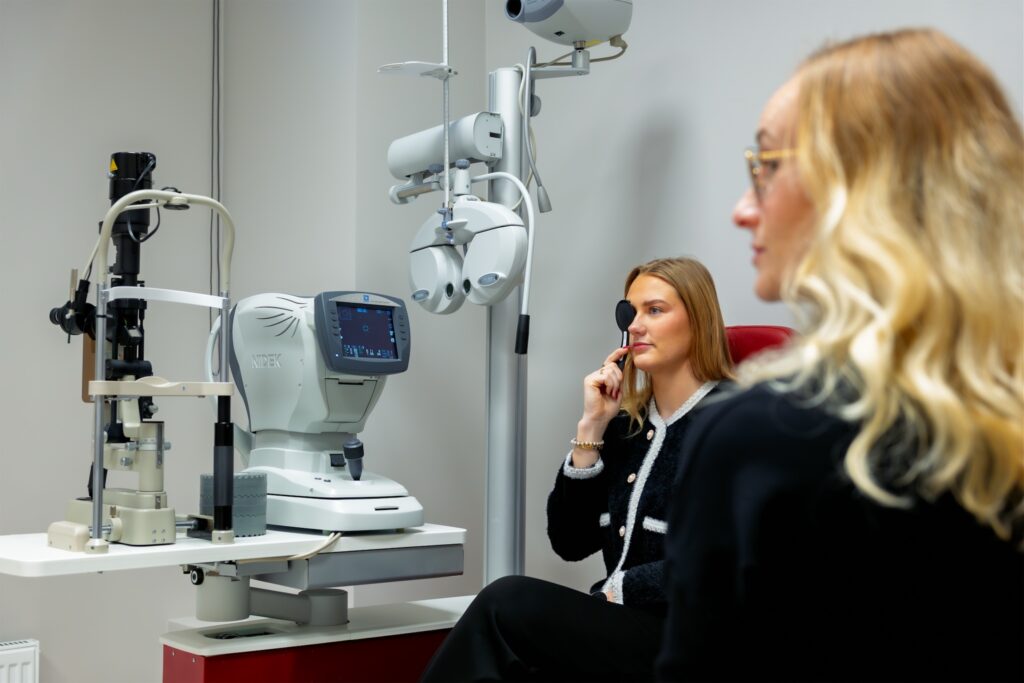
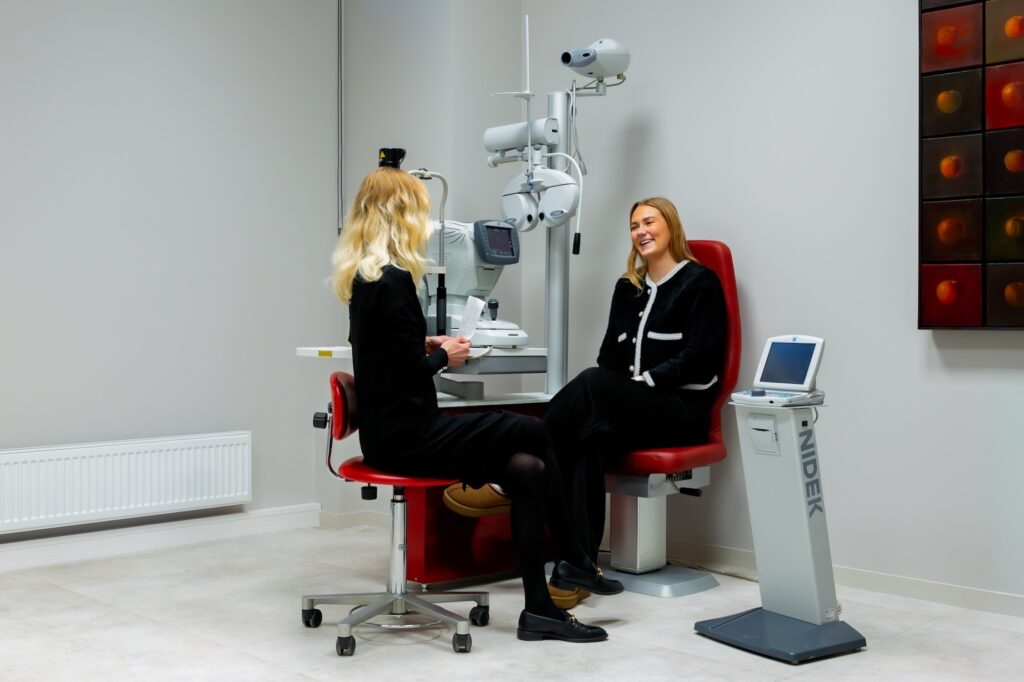
An eye check-up is also necessary for people who do not wear glasses.
Although you may not need glasses, it is still important to have your eyes regularly checked. Many eye diseases, such as glaucoma and cataract, can develop without symptoms, so early detection can avoid more serious consequences.
Keeping your eyes healthy therefore requires constant attention. Simple habits like wearing sunglasses, using moisturising eyedrops, taking breaks from screens and regular eye check-ups can greatly improve the long-term health of your eyesight.