In our ever-growing digital world where screens dominate our everyday lives, maintaining good eyesight is more important than ever. Our eyes work tirelessly to absorb information from the world around us, so it’s important to adopt healthy habits to ensure good eye health. Fortunately, there are several practical steps you can take to maintain your eyesight. In this blog post, we explore the eight best practices that can help you maintain healthy vision for years to come.
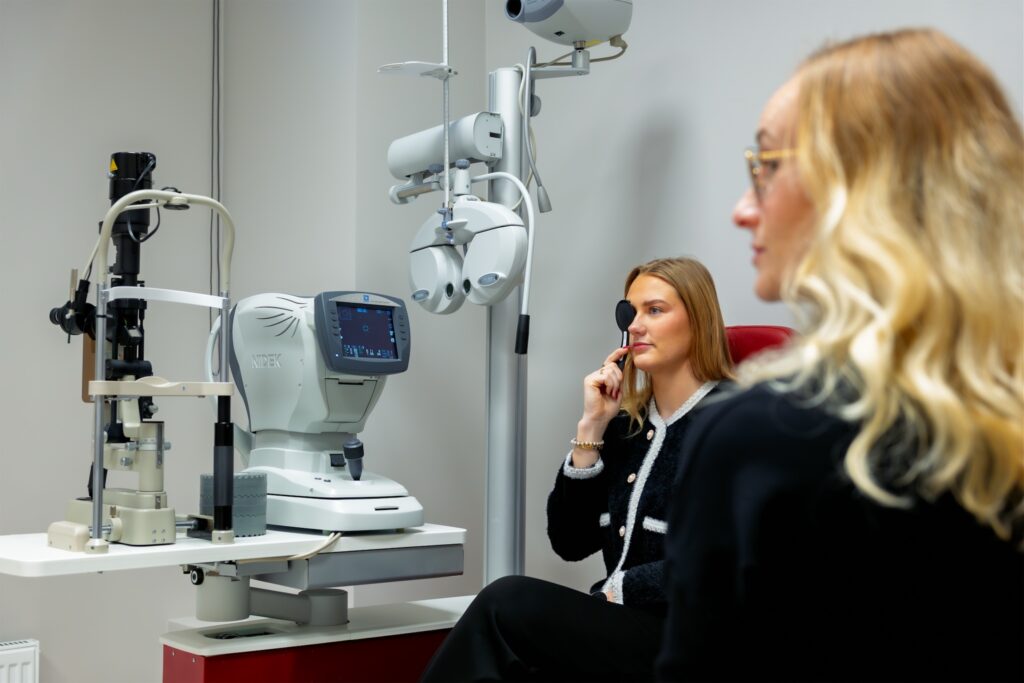
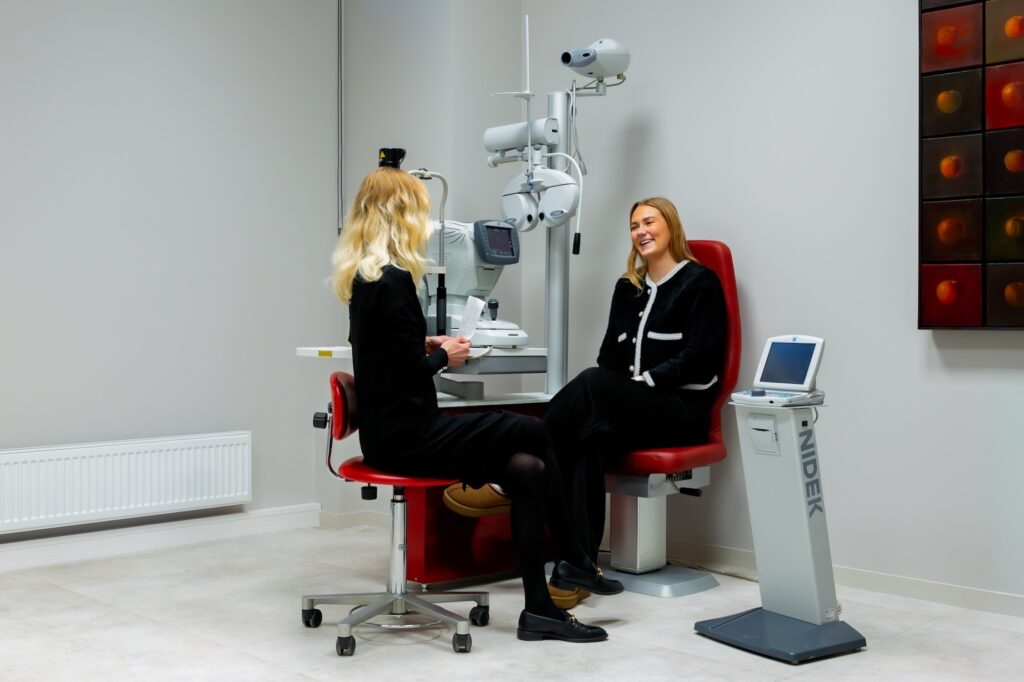
Regular eye examinations are just as important as regular visits to the dentist.
Have your eyes checked by an eye specialist at least once a year (or once every couple of years), even if your vision is good and you have no immediate complaints. A doctor can detect early signs of vision deterioration. The rule of thumb here is that the earlier an eye problem is detected, the more likely it is to be cured with treatment.
Always wear sunglasses in bright sunlight
When you’re out in the sun, wear sunglasses that offer UV protection, are polarising and, if possible, also photochromic. Prolonged sun exposure can increase the risk of cataracts and other eye problems. When selecting sunglasses, it is very important to check the UV protection and the quality of the lenses. The rule of thumb here is that sunglasses with true UV protection cannot be cheap. It is important to avoid buying sunglasses from, for example, a grocery store or a cheap Chinese home supply shop, as prolonged use can damage the eyes.
Follow the 20-20-20 rule
To relieve eye strain when using computer screens, follow the 20-20-20 rule: every 20 minutes, take a 20-second break and look at something 20 metres away. This exercise relaxes the eye muscles and reduces tension. If you can, take a five-minute break every half hour, stand up, stretch and look into the distance for a while, blink and avoid looking at your smartphone instead of your computer screen.
Correct lighting
Make sure your work and living areas are well lit to reduce eye strain. Avoid blue glare reflected from screens and bright lights as they can contribute to discomfort and vision problems. Nowadays, it is also possible to set computer monitors to warm light instead of blue, which reduces eye fatigue, especially during long periods of computer use.
Screen ergonomics
Place the computer screen at eye level and keep it at a comfortable distance. Adjust the font size and screen brightness to prevent squinting and reduce eye stress.
Regular exercise
Regular physical activity improves circulation, which helps deliver essential nutrients to your eyes. Exercise also reduces the risk of chronic diseases that can affect eye health, such as diabetes. Your eyes also need regular exercise if you’ve been staring at one area of the computer screen for a long time.
Sufficient sleep
Getting sufficient quality sleep allows your eyes to rest and recover. Poor sleep can lead to dry eyes, eye spasms and blurred vision.
Screen time before going to sleep
Looking at your computer or smartphone just before going to sleep can disturb sleep cycles due to the blue light emitted by the devices. Make it a routine to go screen-free for an hour before going to sleep. This can promote falling asleep quicker and also ensure better quality sleep.
Your vision is a priceless gift that needs to be cared for and appreciated. By incorporating these eight good practices into your daily routine, you can dramatically improve your chances of maintaining good eyesight throughout your life. From regular eye examinations to healthy lifestyle choices, every step contributes to the overall well-being of your eyes. Don’t forget that preventive measures and early detection are the key to a lifetime of good eyesight.